Sacramento Fire Sprinkler Contractors: Install, Inspect & Retrofit
Fire sprinkler design, installation and annual inspections for Sacramento high-rises, midtown conversions, multifamily and new construction.
Installation · Inspection & testing · Retrofit · Backflow & fire pump service — Historic downtown and Midtown buildings, high-rise and multifamily, and California fire and building code requirements
Free Fire Sprinkler Quote
Sacramento Fire Sprinkler Services
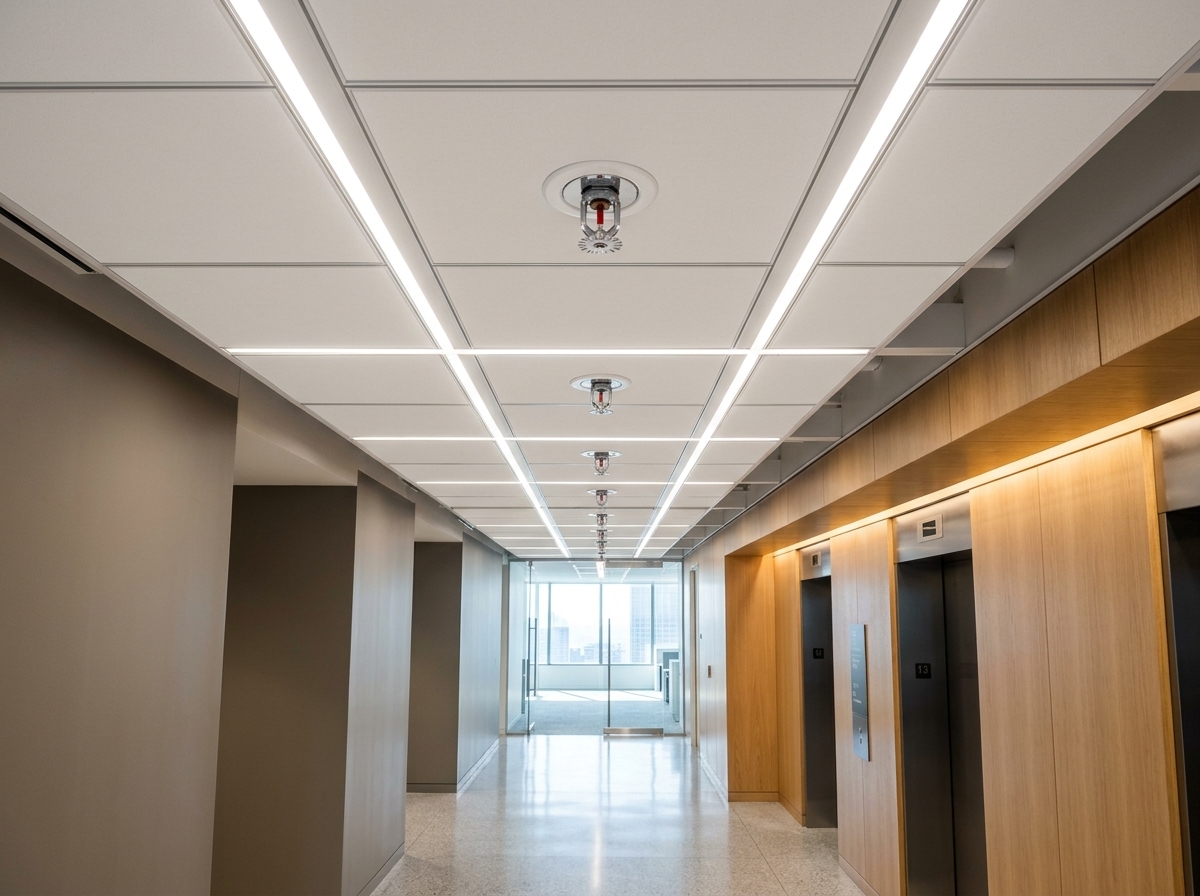
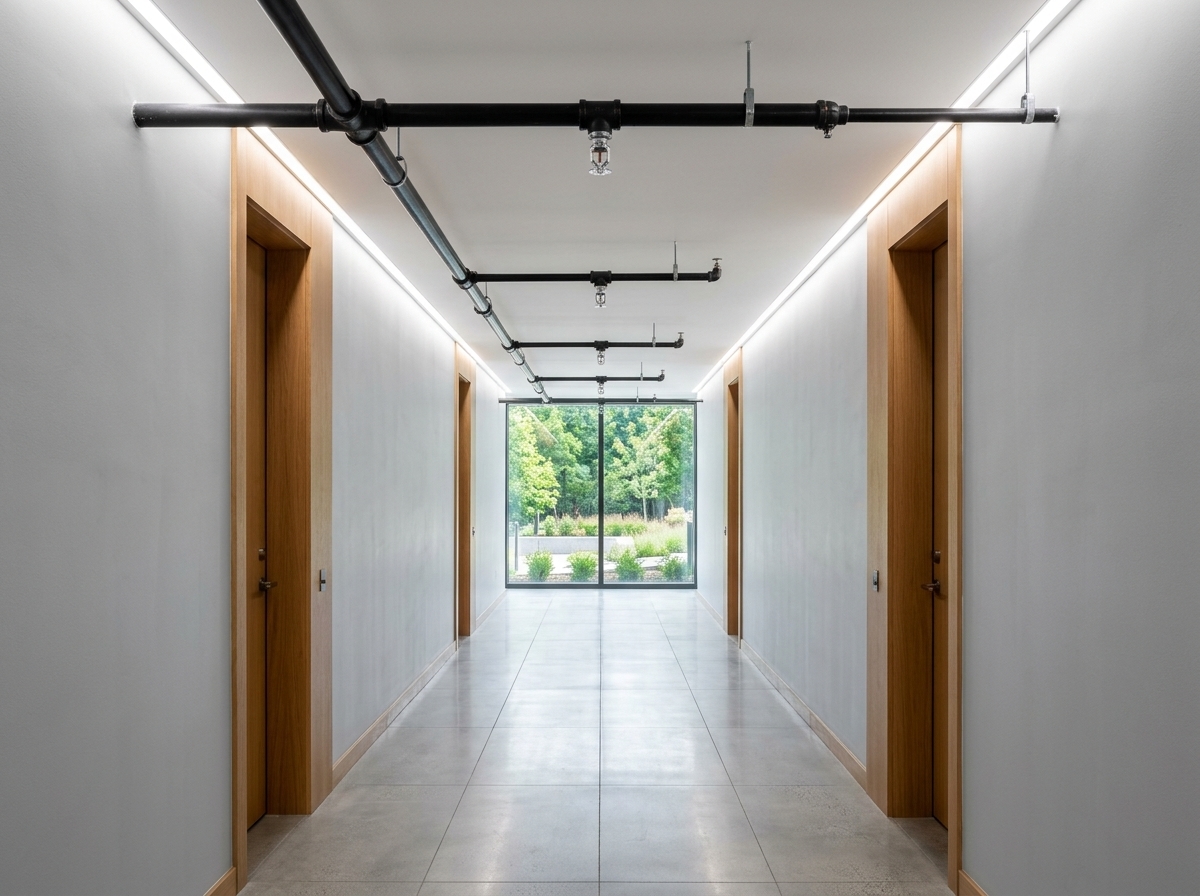
Sprinkler System Design & Installation (NFPA 13, 13R, 13D)
Engineered wet and dry sprinkler systems for new Sacramento commercial, multifamily and residential construction, matched to the right NFPA standard.
Fire Sprinkler Inspection, Testing & Maintenance (NFPA 25)
Recurring inspection, testing and maintenance for Sacramento buildings, with deficiency reports and documentation for the fire marshal and your insurer.
Retrofit & Tenant Improvement Sprinklers
Adding or modifying sprinklers in historic downtown and Midtown buildings, and relocating heads when tenants change layouts.
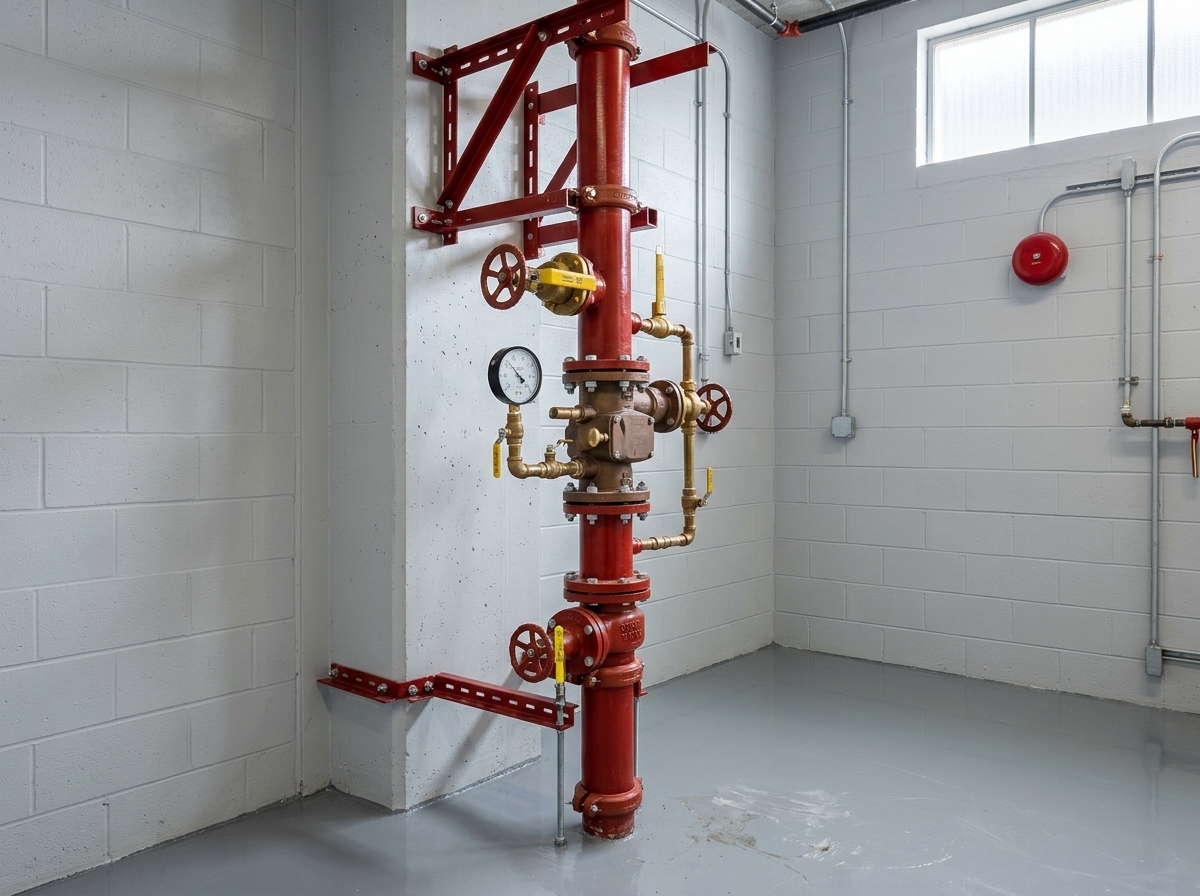
Backflow, Standpipe & Fire Pump Services
Backflow preventer testing, standpipe and fire pump service, and underground fire line work for Sacramento properties.
Fire Sprinkler Systems We Install and Service
Areas We Serve
The Complete Guide to Fire Sprinkler Systems in Sacramento
Sacramento is a capital city with an unusually layered building stock. Within a few miles you can stand beside a 30-story office tower on Capitol Mall, a Gold Rush-era brick storefront in the Old Sacramento area, a Victorian converted into law offices in Midtown, a newly framed apartment block in Natomas and a distribution building rising on former farmland in Elk Grove or Roseville. Each of those buildings asks something different of a fire sprinkler system, and each answers to a different set of reviewers.
Owners here usually come to us with one of four needs. The first is a new system for ground-up construction, where the sprinkler layout is typically a deferred submittal that follows the architect's permit set. The second is a retrofit or tenant-improvement change in an older building, where the challenge is routing pipe through plaster, brick, wood joists or a ceiling that has to stay intact. The third is a notice that annual inspection, testing and maintenance is overdue. The fourth is a backflow assembly, standpipe or fire pump that has failed a test or needs an annual certification.
The Sacramento region is also not one jurisdiction. The City of Sacramento reviews work inside city limits, which includes Downtown, Midtown, East Sacramento and Natomas. Elk Grove is a separate city whose fire prevention work is handled by the Cosumnes Community Services District Fire Department, and Roseville is a separate city in Placer County with its own building and fire divisions. Unincorporated county areas are generally served by yet other fire agencies. Before drawings are produced, the first practical question is always which agency is the authority having jurisdiction for the parcel.
That is a strong argument for keeping design, installation and service under one contractor. The person who laid out the hydraulic calculations knows which water-flow test they relied on, which heads were chosen for a high ceiling and where the inspector's test connection sits. When the same crew returns for the annual inspection, deficiencies get traced back to a known design rather than rediscovered. Confirm the current rules with the relevant agency for your project, since adopted codes and local procedures change.
What Sacramento's Buildings Look Like, and What They Do to a Sprinkler System
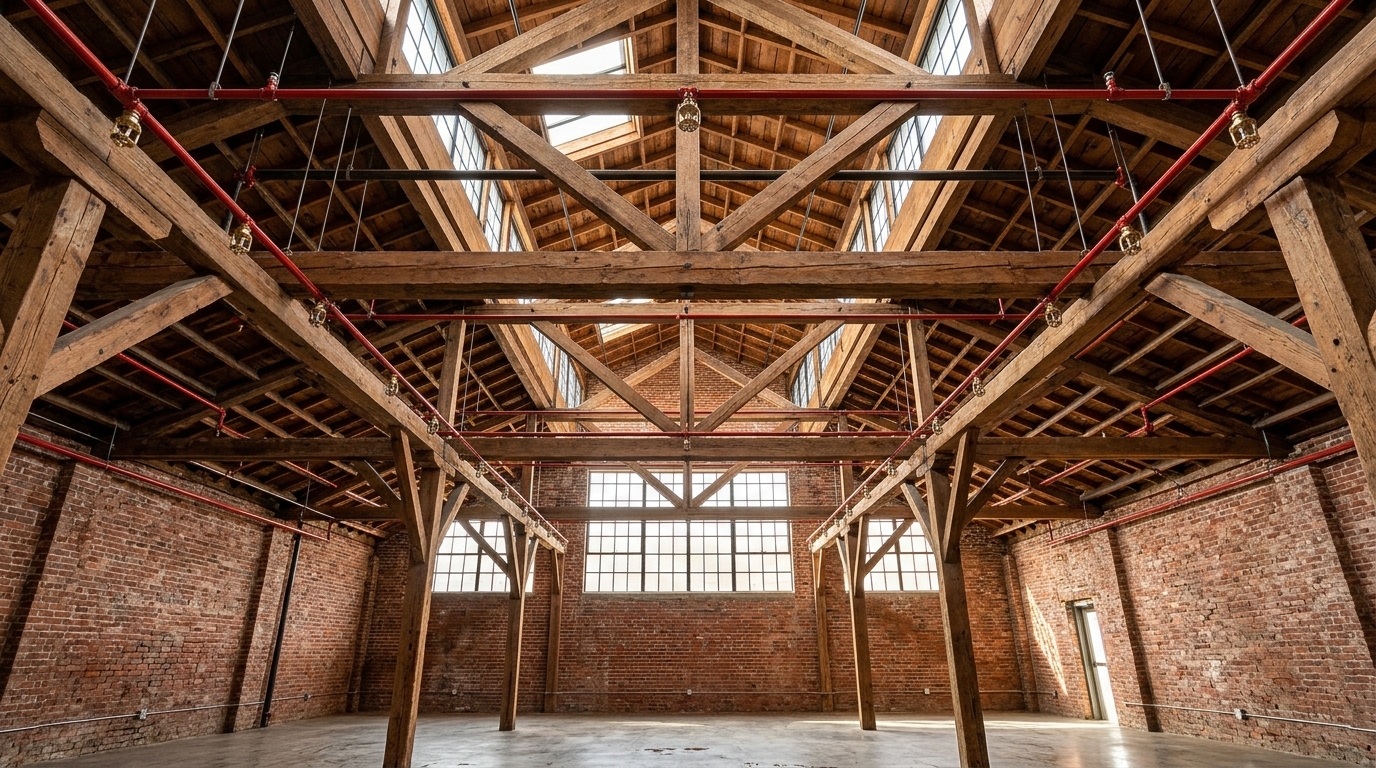
Sacramento's oldest commercial fabric is the grid of downtown and Midtown streets laid out in the nineteenth century, then filled in through the early twentieth. The city was built on a river floodplain and, in parts of the old downtown, street grades were raised in the 1860s and 1870s to escape flooding, which is why some Old Sacramento buildings have original ground floors below today's sidewalk. Brick and timber commercial buildings, wood-framed Victorians and Craftsman bungalows are common in the older core, and many have been converted to restaurants, offices, flats and boutique hotels. The recurring sprinkler problems are concealed voids, balloon framing, lath-and-plaster ceilings that are costly to open, and limited room for risers and a fire service line.
The downtown high-rise skyline is largely a late twentieth-century story. Towers such as the Wells Fargo Center at 400 Capitol Mall, completed in 1992, and other office buildings from the 1980s and 1990s were designed after high-rise sprinkler and standpipe rules were well established, so the core sprinkler infrastructure usually exists. The work for owners of those buildings tends to be tenant-improvement head relocation, standpipe and fire pump service, floor-by-floor control valve testing and keeping hundreds of heads and flow switches documented through repeated tenant turnover.
Growth since then has pushed outward. North Natomas, built out in earnest after the early 2000s and then slowed by a federal flood-map building moratorium that lifted in 2015, now holds a large inventory of garden-style apartments, retail centers and medical and office buildings. South and east of the city, Elk Grove and Roseville have added master-planned neighborhoods, big-box retail, healthcare campuses and distribution buildings. Newer residential product is covered by the California Residential Code's sprinkler requirement for new homes and townhouses, while mid-rise apartments use NFPA 13R or full NFPA 13 depending on height and occupancy. Newer buildings bring their own issues: attic and concealed-space coverage in wood-frame multifamily, high-piled storage in warehouses, and fire pumps and backflow assemblies that need annual attention.
Who Reviews and Permits Sprinkler Work in Sacramento
Permitting authority: City of Sacramento Community Development Department (Building Division) and Sacramento Fire Department Fire Prevention; Cosumnes CSD Fire Department for Elk Grove; City of Roseville Building and Fire divisions
Inside Sacramento city limits, building permits are handled through the City's Community Development Department, and the City directs applicants to its online permit portal and electronic plan check process, with a public counter at 300 Richards Boulevard. Sprinkler plans are normally reviewed by the Sacramento Fire Department's fire prevention staff for compliance with the California Fire Code and the adopted NFPA standards. For commercial projects the City describes a deferred-submittal path in which sprinkler plans and supporting data such as hydraulic calculations, cut sheets and water-supply test results are submitted after the main building permit, provided the architect lists the sprinkler system as deferred. Inspections for underground fire lines and overhead piping are scheduled directly with the Fire Department. Always check the City's current submittal checklist before you assemble a package.
California adopts its building standards on a three-year cycle. The 2025 California Building Standards Code, including the California Building Code, Fire Code and Residential Code, takes effect statewide on January 1, 2026, and references the 2025 editions of NFPA 13, 13R and 13D for sprinkler design. Which edition applies to a given project generally depends on when the permit application was submitted, so confirm this with the plan reviewer. Local cities may adopt amendments, so the City of Sacramento, Elk Grove and Roseville can differ in details. The California Residential Code section R313 requires automatic sprinklers in new one- and two-family dwellings and townhouses, and additions to existing homes that lack sprinklers are generally treated differently, though local rules may apply.
Outside the city the agencies change. Elk Grove's plan review for fire protection systems is handled by the Cosumnes CSD Fire Department's prevention division, which publishes its own fire sprinkler standard and review timelines, while building permits come from the City of Elk Grove. Roseville uses its own electronic plan review and fire plan submittal forms through the City's permit center. Unincorporated Sacramento County and some contract areas are served by other districts, and those can restrict deferred submittals. At the contractor level, sprinkler work requires a California C-16 Fire Protection contractor license from the Contractors State License Board, and individuals installing or servicing water-based systems are subject to State Fire Marshal certification rules. Building owners can verify a contractor's license on the CSLB website before signing anything.
What Moves the Price of a Sprinkler Project in Sacramento
Prices vary enough from one building to the next that any number quoted without a site visit is a guess. These are the local factors that most often move a sprinkler scope up or down in the Sacramento region.
- Which agency reviews the work
- A project inside city limits, in Elk Grove or in Roseville goes to three different review processes with different forms, timelines and resubmittal fee rules. Extra review cycles, or a requirement to submit sprinkler plans before the building permit rather than as a deferred item, can lengthen a schedule and add engineering time.
- Available water pressure and flow
- The sprinkler design must be supported by a current water-supply flow test or utility data for the street main. If the main cannot deliver the demand at the required residual pressure, the fix may be larger pipe, a fire pump or a tank, each of which is a significant cost item. Utilities in the region have different procedures for requesting this data.
- Building age and access
- In Midtown and Downtown conversions, pipe may have to be fished through plaster ceilings, wood joists and masonry, often with patch and paint work by others. Historic fabric can also limit where risers and drops may go, which raises labor compared with open new construction.
- Occupancy and hazard classification
- An office, an apartment, a restaurant and a warehouse with high-piled storage each call for a different design density and head type. Distribution buildings in the growth areas can drive heavy water demand and sometimes ESFR heads or fire pumps, while an office tenant improvement may only be a handful of relocated heads.
- Seismic bracing and piping materials
- Sacramento is in a seismically active state, and sprinkler piping is typically required to be braced in accordance with NFPA 13 and the California Building Code. Bracing layout, flexible couplings and sway bracing add labor and materials, and details depend on the building's structure and the project's seismic design category.
- Backflow, underground and permit-related work
- A new or relocated fire service line brings backflow assembly selection, underground trenching, encroachment and utility permits, and inspections. Whether a double-check or reduced-pressure assembly is needed depends on the water purveyor's cross-connection rules and the system's hazard level.
Seasons & Climate in Sacramento
Sacramento's Mediterranean climate, with hot dry summers and mild wet winters, shapes how work is scheduled. The National Weather Service records multiple triple-digit days in a typical summer, and attic spaces in the valley can become extremely hot, so crews working in unconditioned attics and on rooftop-adjacent piping often start early. The heat matters for materials too: plastic CPVC pipe and fittings need to be stored out of direct sun and handled according to the manufacturer's listing, and solvent cement behaves differently in extreme heat. For an owner, the practical effect is that summer work is feasible but may start at dawn and finish early.
Winter freezing is infrequent compared with the upper Midwest, but sub-freezing mornings do occur on clear nights, particularly in outlying areas. Dry-pipe systems are still found in unheated spaces such as loading docks, canopies and parking structures, and exposed piping or small valve rooms can be affected during a rare cold snap. The rainy season, roughly late fall through early spring, is the season to avoid for underground fire line trenching, where saturated Central Valley soils and dewatering add cost and delay. Many owners schedule underground work for the drier months and use winter for interior tenant improvements and annual inspections.
Fire Sprinkler Project Timeline in Sacramento
1. Discovery, AHJ check and water-supply data (1-3 weeks)
Confirm which agency reviews the parcel, gather architectural plans and request the water-supply flow data from the local utility. Timing depends heavily on how quickly the utility responds.
2. Sprinkler design and hydraulic calculations (2-6 weeks)
Drawings, hydraulic calculations and cut sheets are prepared to the adopted NFPA edition. Complex buildings or coordination with other trades can extend this.
3. Plan review and permit (3-8 weeks, varies by agency)
Review time depends on the agency and on whether corrections are needed. Cosumnes CSD, for example, publishes separate first-review and resubmittal timelines, and the City of Sacramento and Roseville have their own processes. Confirm current timelines with the reviewing agency.
4. Underground and fabrication (2-6 weeks)
If a new fire service line is needed it is installed, flushed and tested with inspection before burial. Pipe and fittings are fabricated and scheduled with the general contractor.
5. Overhead installation and hydrostatic test (2-10 weeks depending on size)
Mains, branch lines and heads are installed, braced and tested, with inspections at the stages required by the fire department.
6. Final acceptance and handoff (1-2 weeks)
Final inspection, alarm and flow-switch testing, documentation and delivery of the system records. The inspection schedule then moves to recurring NFPA 25 intervals.
Sacramento Fire Sprinkler FAQ
Which agency approves fire sprinkler plans in Sacramento?
It depends on the address. Inside City of Sacramento limits, plans typically go through the Community Development Department's permit process and are reviewed by Sacramento Fire Department prevention staff. Elk Grove fire plan review is handled by the Cosumnes CSD Fire Department, and Roseville has its own building and fire divisions. Unincorporated areas are served by other fire districts. Confirm the authority having jurisdiction for your parcel before design starts.
Do new homes in Sacramento have to have fire sprinklers?
Generally yes. The California Residential Code section R313 requires an automatic residential sprinkler system in new one- and two-family dwellings and townhouses, designed under NFPA 13D or the equivalent code section. Additions or alterations to existing homes without sprinklers are generally treated differently, and accessory dwelling units have their own rules. Local amendments may apply, so check with the building department.
What license does a sprinkler contractor need in California?
Contractors need a C-16 Fire Protection classification from the California Contractors State License Board. The classification covers laying out, fabricating and installing fire protection systems but generally excludes electrical alarm work, which falls under other classifications. Individuals who install or service water-based systems are also subject to State Fire Marshal certification requirements. You can check any license on the CSLB website.
How often must a sprinkler system be inspected?
California enforces NFPA 25 with State Fire Marshal requirements. Typical intervals include quarterly or semiannual visual checks, an annual inspection and test, three-year full-flow tests on some dry and pre-action valves and a five-year internal pipe assessment. Exact requirements and reporting depend on the system type and on your fire agency, so ask your authority having jurisdiction which reporting method it requires.
Does the sprinkler design need a water flow test?
Yes, current water-supply data for the street main is a core input to hydraulic calculations. How you obtain it depends on the utility: the City of Sacramento Department of Utilities, Roseville's Environmental Utilities and the water purveyors serving the Elk Grove area each have their own request procedures. Plan reviewers typically expect the data to be recent.
Can I add sprinklers to a historic Midtown building?
Often yes, and the California Historical Building Code can provide alternatives for qualified historic buildings, subject to agency approval. Pipe routing is the main challenge because plaster, wood framing and decorative finishes limit where lines can run. Exterior changes in historic districts may need local preservation review. Early coordination with the building official helps.
Do sprinkler systems need backflow preventers?
Fire service connections to public water generally require an approved backflow prevention assembly, and the assembly must be tested after installation and then at least annually under typical cross-connection programs. The type of assembly, such as double check or reduced pressure, depends on the hazard level and the water purveyor's rules. Test reports usually go to the water provider, so confirm yours.
How long does a sprinkler project take from start to finish?
A small tenant improvement can finish in days to a few weeks once permitted, while new construction systems are tied to the general contractor's schedule and may take many weeks or months. Plan review is often the longest variable. See the timeline above for typical phases, and treat any duration as a rough estimate until the reviewing agency responds.
Sources & Further Reading
Local requirements change. Always confirm current rules with the permitting agency before starting work.
- City of Sacramento Fire Department
- City of Sacramento Community Development: Building
- City of Sacramento Department of Utilities
- City of Roseville
- Cosumnes Community Services District Fire Department
- City of Elk Grove
- California Contractors State License Board
- California Office of the State Fire Marshal
- California Building Standards Commission: Codes
- NFPA 13: Standard for the Installation of Sprinkler Systems
- NFPA 25: Inspection, Testing, and Maintenance of Water-Based Fire Protection Systems
- The Compliance Engine
- National Fire Sprinkler Association
- National Weather Service Sacramento
- Sacramento Area Flood Control Agency